







The Power of Ink: The Birth, Evolution and Manufacturers That Shaped the World of Printing
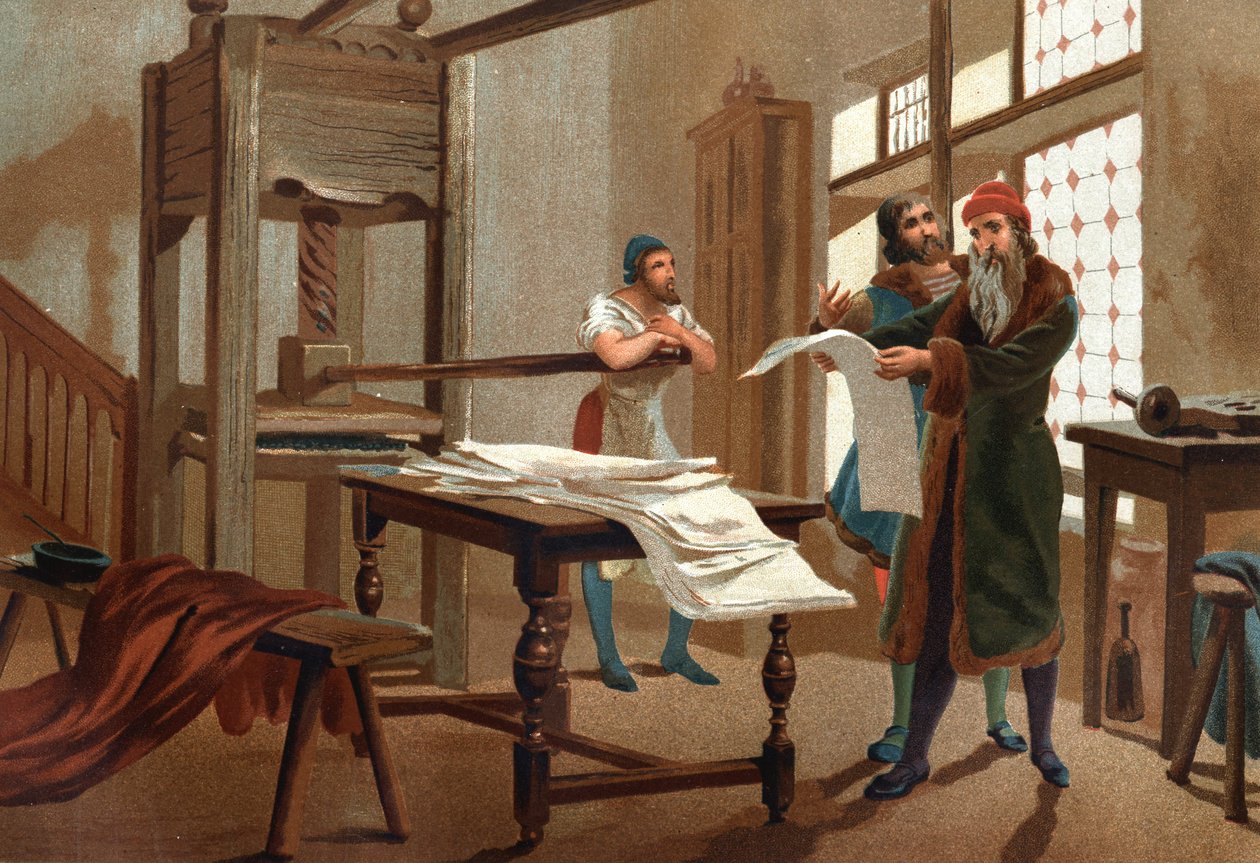
The printing press is one of the most transformative inventions in human history. The transition from an age when knowledge could only be copied by hand, to digital offset systems printing thousands of pages per second, is both a story of technology and of civilization.
The Origins of Printing: From East to West
The earliest traces of printing come from China. The Diamond Sutra, dated 868 AD, is the oldest known printed book. In the 11th century, Bi Sheng attempted to print with movable porcelain characters. In the West, the revolution began with Johannes Gutenberg's metal alloy movable type system developed in Mainz in the 1440s.
The printing press is the greatest weapon in the armoury of the modern commander.
— T. E. Lawrence
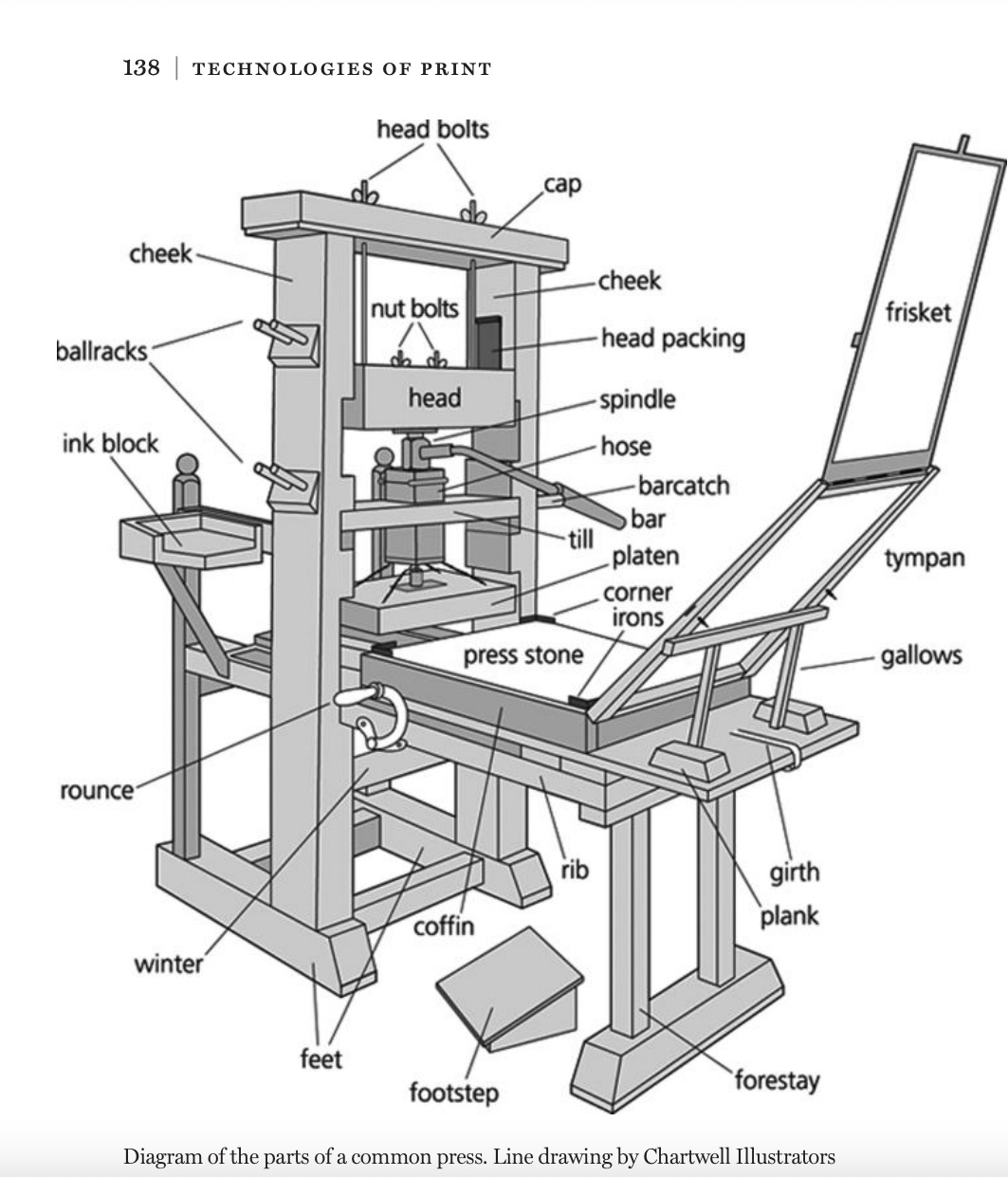
Historical Development Timeline
Block Printing — China
Ink transfer using carved wooden blocks; reproduction of Buddhist texts. The Diamond Sutra is the most significant work of this era.
Movable Type — China
Bi Sheng's individual character system made from fired clay. A historic first despite practical constraints.
Gutenberg Press — Germany
Combination of metal alloy type and screw press. The Gutenberg Bible printed in 1455 is a landmark.
Steam-Powered Cylinder Press — England
Friedrich Koenig's invention. The Times newspaper reached 1,100 impressions per day with this machine.
Linotype Machine — USA
Ottmar Mergenthaler's invention allowing full-line typesetting at a single keystroke. Journalism was revolutionized.
Rise of Offset Printing
Ink transfer via rubber blanket. Germany, USA and Japan led the way.
Digital and Laser Printing
Laser printers from Canon, Xerox and HP launched the desktop publishing era.
Inkjet, UV and 3D Printing
Industrial inkjet and additive manufacturing technologies fundamentally changed production.
Main Machine Types
Letterpress
Classic method where raised metal plates press ink directly onto paper. Dominant from Gutenberg to the mid-20th century; lives on in artisan printing today.
Offset Lithography
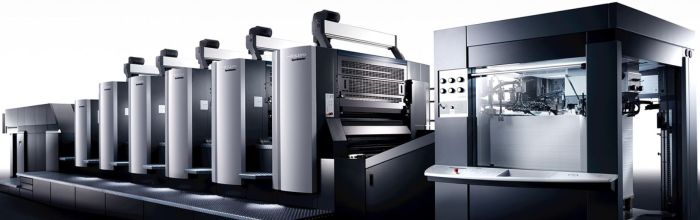
Ink is transferred to a rubber blanket then onto paper. The backbone of high-volume commercial printing.
Flexographic Printing
Flexible plates print on plastic, foil and corrugated board. Indispensable in packaging and label sectors.
Digital Printing
Plate-free system ideal for short runs and personalization. Split into inkjet and laser main branches.
Gravure Printing
Ink transfer from cells engraved into a cylinder surface. Used in banknotes, stamps and security packaging.
3D Printing
Object production through layered material deposition. Wide application range from plastics to metals to biological tissue.
World's Leading Manufacturers and Their Countries
| Country | Key Brands | Specialization | Global Position |
|---|---|---|---|
| Germany | Heidelberger Druckmaschinen, KBA, manroland | Offset, digital hybrid | Leader — ~40% of exports |
| Japan | Komori, Ryobi MHI, SCREEN Holdings, Fujifilm | Digital, hybrid, inkjet | Leader — high technology |
| USA | Xerox, HP Indigo, Goss International | Laser, digital, web offset | Strong — innovation hub |
| Switzerland | Bobst, Wifag | Packaging, flexo | Niche — high precision |
| Italy | OMET, Uteco, Comexi | Flexo, labels | Strong — design + manufacturing |
| China | Beiren Group, Shanghai M&E | Mid-segment, wide format | Growing — competitive pricing |
| Netherlands | Xeikon, Océ (Canon) | Digital, toner printing | Niche — industrial digital |
Printing in Turkey
Turkey's first official printing house was established by İbrahim Müteferrika in Istanbul in 1727. Although this was approximately 280 years later than Europe, rapid expansion followed. Today Turkey is one of the largest markets in the region for packaging and book printing, with Germany and Japan leading in machine imports.
Looking Ahead: AI and Sustainable Printing
AI-powered color management, automated quality control cameras and sustainable ink formulations are setting the printing industry's agenda. As digital printing overtakes offset for short runs, machine manufacturers are investing in hybrid systems. Over the coming decades, personalized printing, nano-ink technology and fully plate-free production processes will reshape the industry once more.
Key Fact
Germany still accounts for approximately forty percent of global offset printing machine exports today. Heidelberg and KBA sell machines to over one hundred countries.
