

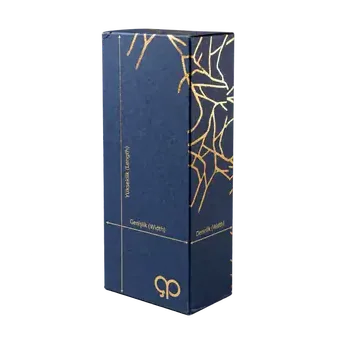
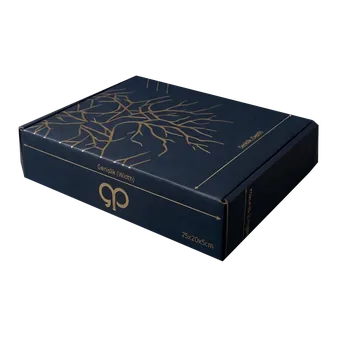
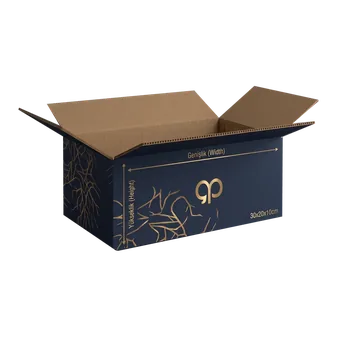
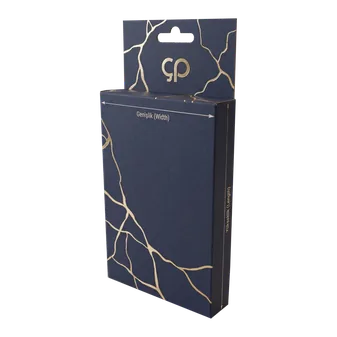
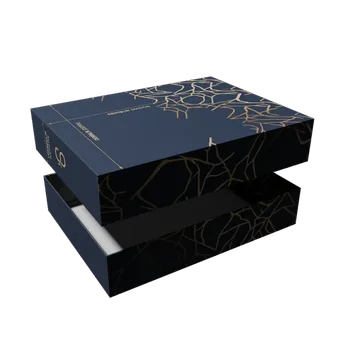
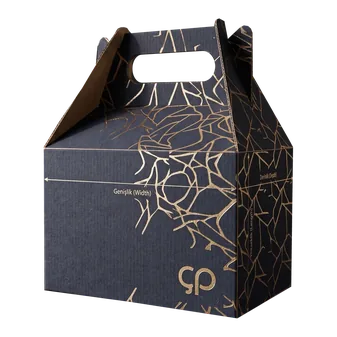
Hanger Box
| Selection | Quantity | Total Cost | Unit Cost |
|---|---|---|---|
100 Ad. | £137.07 | £1.370679 | |
250 Ad. | £167.03 | £0.668138 | |
500 Ad. | £188.69 | £0.377371 | |
1000 Ad. | £227.63 | £0.227635 | |
1500 Ad. | £279.64 | £0.186428 | |
2000 Ad. | £331.65 | £0.165825 | |
3000 Ad. | £435.67 | £0.145222 | |
4000 Ad. | £539.68 | £0.13492 | |
5000 Ad. | £643.7 | £0.128739 | |
8000 Ad. | £955.74 | £0.119468 | |
10000 Ad. | £1128.95 | £0.112895 | |
20000 Ad. | £2116.87 | £0.105843 | |
40000 Ad. | £4066.59 | £0.101665 | |
50000 Ad. | £4758.52 | £0.09517 | |
100000 Ad. | £9306.37 | £0.093064 |
Hanger Box — Custom Size Printed Carton with Euro Hang Hole
A Hanger Box Puts Your Product at Eye Level
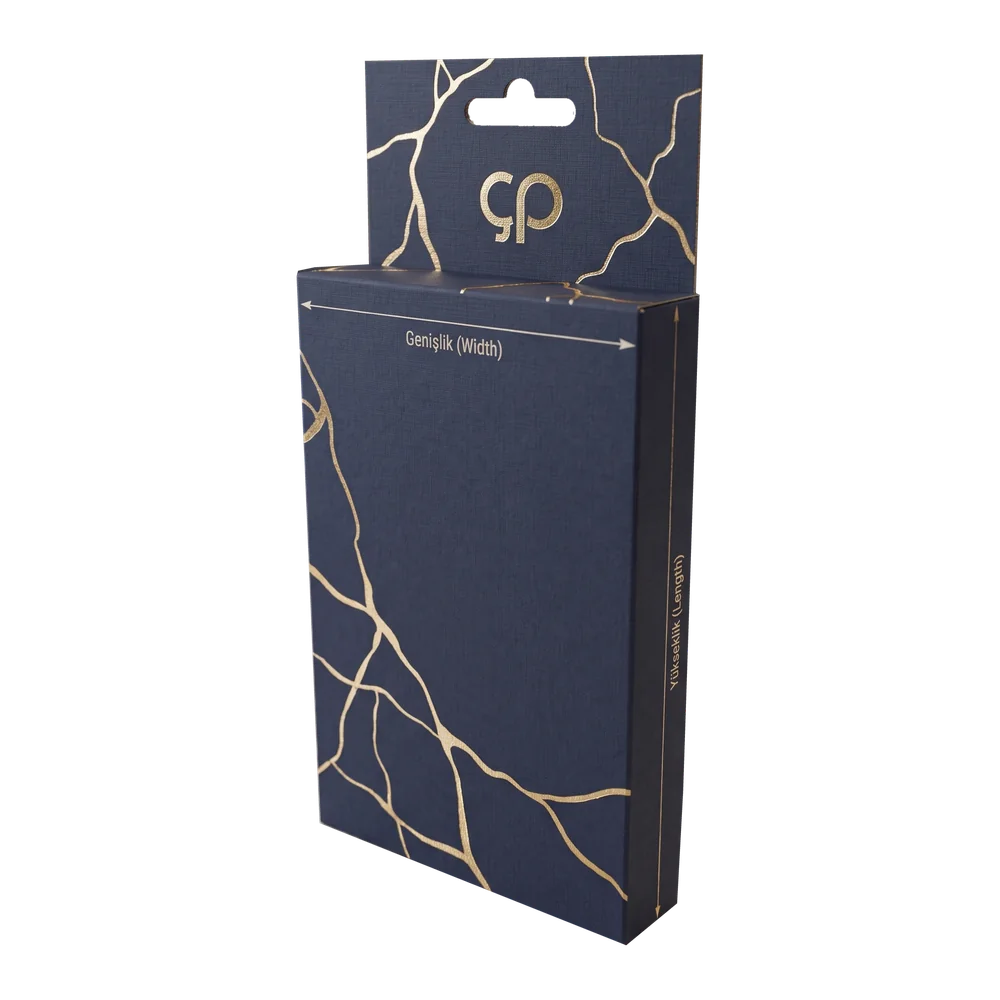
A hanger box is packaging that takes your product off the shelf and onto the store’s display hooks. Thanks to the hanger tab and euro hang hole at the top, the box hangs on a display rod; the product sits at the shopper’s eye level, front facing out, in a neat row. Instead of getting lost among boxes piled on a shelf, each one occupies its own space. On this page we produce your box in the size you choose: you enter the dimensions, see the box instantly as a 3D model, pick the board and print, and read the price without waiting for a quote.
Why Custom Size Hanging Packaging?
Squeezing a product into a stock-size box means compromises in both display and logistics. A box made to the product’s dimensions brings these gains:
- Neat display: a box that fits the product does not tilt or sag on the hook; the hanger tab carries the weight from the exact centre, so the row stays aligned.
- Less material: the box leaves no unnecessary volume around the product, reducing both board consumption and space inside the shipping carton.
- Product protection: a product that cannot move inside is damaged less during transport and display, and the box corners do not get crushed.
- Brand space: front, back, sides and hanger tab become planned printing surfaces for your logo, product image, barcode and usage information.
Design Your Hanger Box on a 3D Model
Build and Hang the Box on Screen Before Production
The most common mistake in hanger box design is the tab and the hole clashing with the artwork: the logo ends up under the hole, the text lands on the fold of the tuck flap. This page moves those decisions to before production. As soon as you enter the dimensions, your box is built on screen as a real 3D model; the model is created from the real die-line generated from your dimensions and the caliper of the board you select. When you change the size, the board or the window, the box rebuilds instantly.
- A model that opens and closes: watch on screen how the tuck flaps and dust flaps fold and how the box opens and closes.
- A real window cut-out: when you select a PVC window, the window is actually cut into the model; as you enter its size you see the opening’s position on the front and the board margin around it.
- Instant die-line: the template for your dimensions, including the hanger tab and any window cut, is generated in seconds and can be downloaded free of charge as PDF, SVG or PNG.
- Design, upload, see the mockup: place your artwork on the die-line and upload it to the page; watch the printed box in a 3D mockup. Because the model and the die-line come from the same layout, the design fits the box exactly.
- Design with AI: give the downloaded die-line to an AI image tool, ask it to create artwork inside the template and upload the result to review it on the 3D model right away.
Folding the box on screen is faster and cheaper than waiting for the first sample. The hole position, window size and front layout are settled before production starts.
The Structure: From Hanger Tab to Tuck Flap
Cut from a single piece of board and folded into shape, this box combines display and protection through a few structural details:
- Hanger tab and euro hang hole: the tab rising from the back panel hooks onto store display rods and hanging fixtures through a standard euro hole.
- Top and bottom tuck flaps: the box closes by tucking the flaps in, without glue; the customer takes the product out easily and the box can be closed again.
- Dust flaps: the flaps on either side of the tuck flaps close the edges, keep dust out and strengthen the corners.
- Glue flap: the body is joined by a narrow flap along the side edge, so the front remains an uninterrupted printing area.
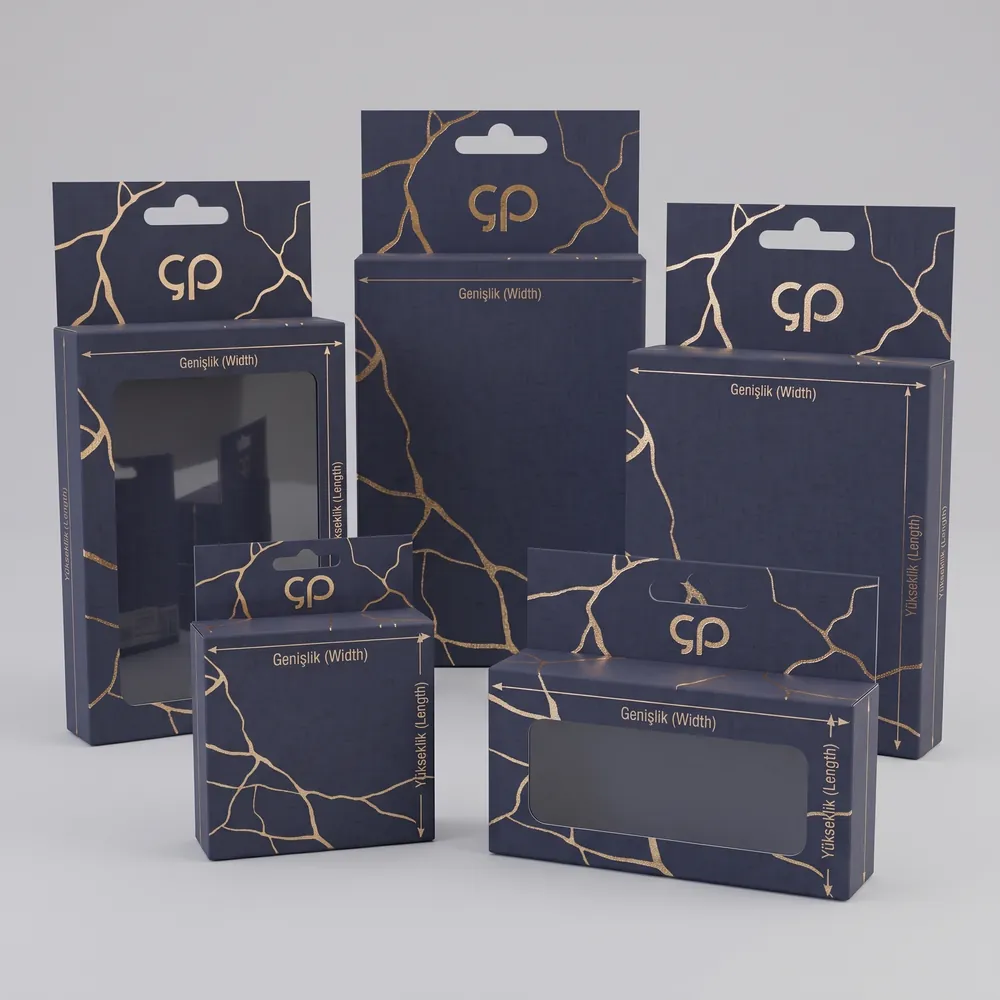
- PVC window option: a clear window on the front shows the product without opening the box, directly supporting sales for products where colour, texture and shape matter.
How to Choose Board Thickness
Grammage Is Not Thickness
The most common mistake when choosing board is treating grammage as thickness. Grammage measures the weight of one square metre of board; thickness depends on the board’s bulk. Because coating compresses the surface, coated boards are heavy but thin, while multi-layer bristol and folding boxboard are noticeably thicker at the same weight. It is thickness, not grammage, that decides whether the box stands upright, whether it bends on the hook and whether the fold line cracks. The options on this page show the difference clearly: at the same 350 g/m², gloss coated board is 0.285 mm while bristol is 0.49 mm.
Board Options and Thicknesses
We offer three board families. The thickness of the grammage you choose is applied directly to both the die-line and the 3D model.
| Board | Grammage range | Thickness at 350 g/m² | Main strength |
|---|---|---|---|
| Coated (gloss, matt, black, kraft surface) | 250–350 g/m² | 0.285 mm (gloss) · 0.358 mm (matt) | The coated surface prints colours saturated and sharp; for photo-heavy, glossy-looking packaging. |
| Bristol | 250–450 g/m² | 0.49 mm | The thickest option at the same grammage; a rigid, full-bodied box that feels reassuring in the hand. |
| Folding boxboard (Normprint, Exprint, LuxTriplex) | 180–550 g/m² | 0.45 – 0.475 mm | Multi-layer structure with a smooth printing surface and high stiffness; the most common packaging board family, with the widest grammage range. |
Kraft and black surfaces are also available in the coated family. Because these grounds remove the white base beneath CMYK printing, light tones disappear and colours shift; on these surfaces, designs built with few colours and high contrast give better results.
Four Questions That Determine Thickness
The right board is not the heaviest one but the one that delivers the required stiffness with the least material. Answer these questions before you decide:
- How heavy is the product? in this type of box the product’s entire weight is carried by the hanger tab and the area around the hole. For light products of a few grams 250–300 g/m² is enough, while for heavy accessories and spare parts, bristol or folding boxboard of 350 g/m² and above prevents the tab from bending over time and the hole from tearing.
- How large is the box? as the surface grows, the board’s own weight and its tendency to sag on the hook increase; for wide and tall boxes, thicker board keeps the front flat.
- Will there be a window? a window removes material from the front and weakens the body; with large windows, one step up in thickness keeps the box in shape.
- How important are print and surface feel? coated board stands out for photos and vivid colour, bristol for a full, rigid hand feel, and folding boxboard for a balance of both with the widest grammage choice.
If you want to learn more about paper types, grammage and bulk, read the Paper Weight and Types Guide on our blog.
Printing and Finishing Options
Every choice that shapes the look and strength of your box is on one screen:
- Colours: print options from 2+0 to 5+1; the number after the plus sign shows the printing on the inside of the box.
- Film lamination: matt, gloss or soft-touch; it defines the look, protects the surface against scratches and keeps print clean for longer on boxes that are handled often on the hook.
- Varnish: spot varnish, embossed varnish and gloss, matt or satin varnish make logos and product images stand out.
- Embossing and foil: emboss or deboss leaves a mark you can feel, while foil adds a metallic, premium detail.
- PVC window: a clear window whose width and height you set yourself; its size is reflected instantly in the price and the die-line.
Which Products Is a Hanger Box For?
For almost any small or medium-sized product displayed on hooks, this box type provides both protection and point-of-sale visibility. The most common uses:
- Phone and electronics accessories: earphones, charging cables, adapters and cases; with a window the product is visible without opening the box.
- Cosmetics and personal care: lipsticks, mascaras, nail polish and care sets; high print quality with coated surface and lamination.
- Toys and stationery: small gift toys, pen sets and office supplies; a colourful, eye-catching front.
- Hardware and spare parts: screw sets, bits and small parts; a durable box in bristol or thick folding boxboard that keeps its shape on the hook.
Recyclable Carton Packaging
Carton packaging is a material that can be returned to the paper stream. A box made to the product’s size uses no unnecessary material; without a window the packaging is made entirely of board, so no separation is needed for recycling. If you are looking for a carton alternative to plastic blister packs, a windowed box keeps the product visible while limiting plastic to a small window area.
Enter your size, see your hanger box on the 3D model, choose the board and window, download the die-line to prepare your design and upload it to watch the result in the mockup — you see the final box before you place the order.